

 English
 中文 (中国)
 Español


July 29, 2026
5 Skills Named After Olympic Gymnasts
September 03, 2026
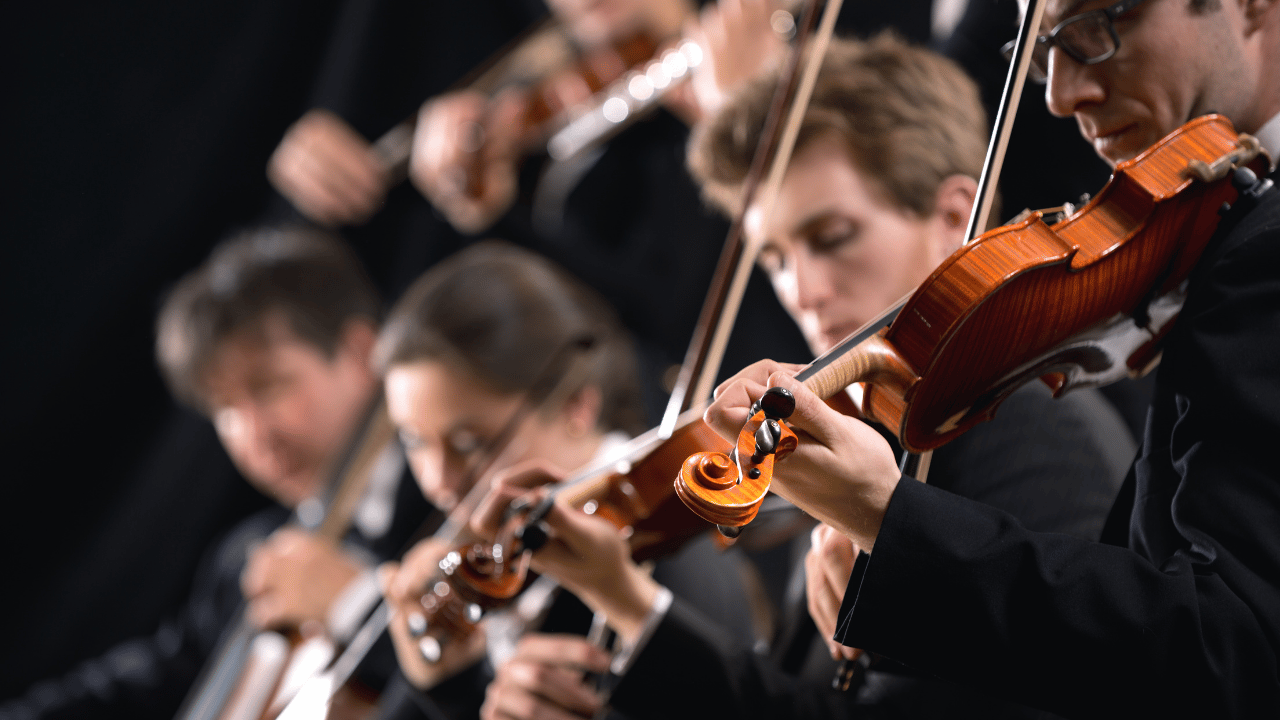
The violin may be closely associated with classical concerts, but its sound has also found a powerful place in rock music. From psychedelic experiments to alternative rock and folk-rock, musicians have used the instrument to add emotion, intensity, and a distinctive texture to songs.
As rock developed in the 1960s and 1970s, some artists began experimenting with instruments beyond the traditional guitar, bass, drums, and keyboards. The violin became an unexpected but highly expressive addition.
Its ability to move between delicate melodies and aggressive, distorted sounds made it especially useful for musicians looking for something different. Instead of simply copying the role of a guitar, the violin could create atmospheric passages, dramatic solos, and unusual textures.
One of the most influential examples is David LaFlamme of It’s a Beautiful Day, whose electric violin became an important part of the band’s psychedelic sound. Other artists incorporated violin into progressive rock, folk-rock, and experimental music, helping establish the instrument as more than a classical voice.
Electric amplification also changed what violinists could do. Effects such as distortion, delay, and reverb allowed the instrument to sound much more powerful and unconventional.
The violin became particularly recognizable in folk-rock and alternative rock. Bands could use it to bring a traditional, acoustic character to energetic rock arrangements.
Artists such as Dave Swarbrick helped popularize violin in British folk-rock, while later musicians continued pushing the instrument into punk, indie, and alternative styles. The result was a sound that could be simultaneously raw, emotional, and melodic.
The violin has one major advantage in rock: expression. A violinist can use vibrato, slides, bow pressure, and changes in articulation to create sounds that feel extremely vocal.
It can also occupy musical spaces that guitars do not always reach. A violin can carry a soaring melody above a dense arrangement, create tension underneath vocals, or provide a completely different color during an instrumental section.
Modern rock violinists have access to electric violins, pickups, pedals, amplifiers, and digital effects. This has made it possible to integrate the instrument into louder bands without losing its distinctive character.
Some performers use effects to make the violin almost unrecognizable, while others keep its natural tone and simply amplify it. Both approaches show how flexible the instrument can be.
The violin’s journey into rock demonstrates how an instrument can cross musical boundaries. What began as a central voice of classical music became a tool for experimentation, storytelling, and sonic innovation.
Whether it is playing a haunting melody, cutting through distorted guitars, or creating an atmospheric background, the violin can give rock music something guitars alone cannot: a uniquely human, almost vocal intensity.
Achieve More With VSA: Boost your skills with world-class coaches for just $29/hour. Personalized programs 24/7, 365 days a year, anywhere in the world.
By Vitalina Andrushchenko, Staff Writer
Competition highlights, industry trends, expert opinions, and stories from athletes and artists worldwide — delivered straight to your inbox


