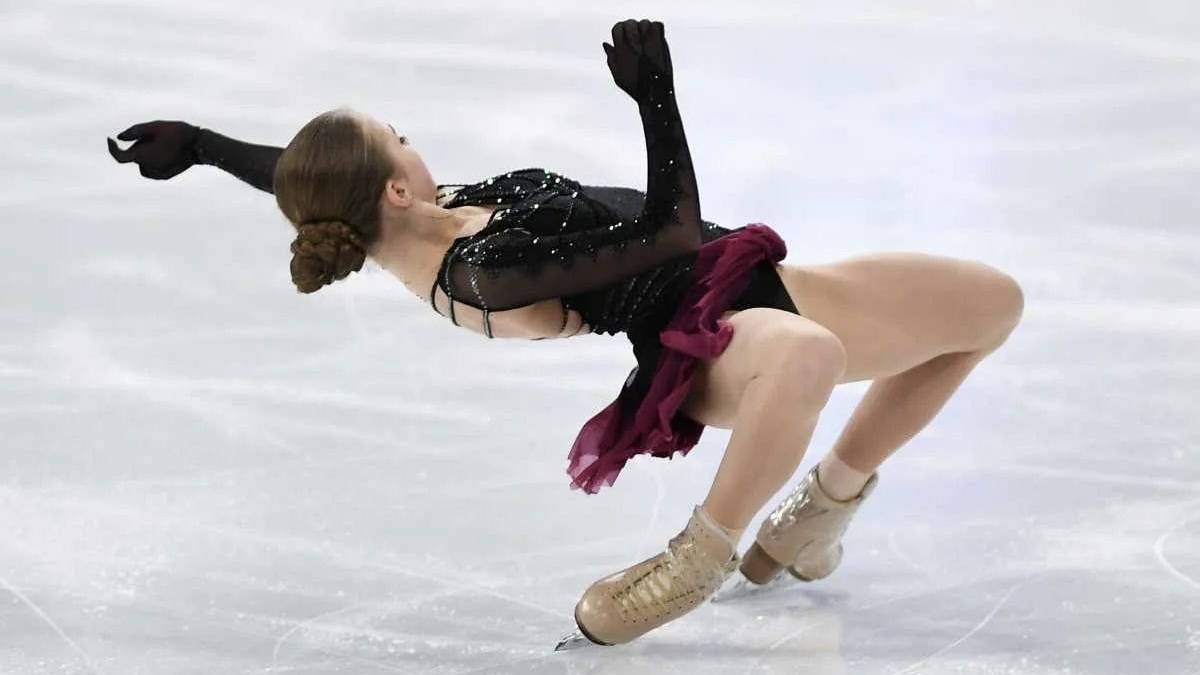
Effective off-ice training is essential for figure skaters to improve their strength, flexibility, and overall performance.Timing your off-ice workouts strategically can maximize their benefits. Here are some guidelines to consider:
1. Morning Sessions:
- Pros: Starting your day with a workout can boost your energy levels and improve your focus. Morning training can also help you establish a consistent routine.
- Cons: Some people may find it challenging to wake up early for workouts, especially during the colder months.
2. Afternoon Sessions:
- Pros: Afternoon workouts can be a good option if you prefer to train after your school or work commitments. You may also have more energy in the afternoon compared to the morning.
- Cons: Be cautious of scheduling workouts too close to your evening meals, as this can interfere with digestion.
3. Evening Sessions:
- Pros: Evening workouts can be a great way to de-stress after a long day. They can also help you wind down before bed.
- Cons: Be mindful of not training too close to bedtime, as intense workouts can interfere with sleep.
Additional Considerations:
- Listen to your body: Choose a time that works best for your energy levels and recovery.
- Avoid overtraining: Ensure you have enough rest and recovery time between workouts.
- Flexibility: Be flexible with your schedule and adjust your workout times as needed.
Ultimately, the best time for your off-ice training will depend on your individual preferences and lifestyle. Experiment with different times to find what works best for you.
Remember: Consistency is key. Aim to schedule your off-ice training sessions regularly to see the best results.


 English
 中文 (中国)
 Español