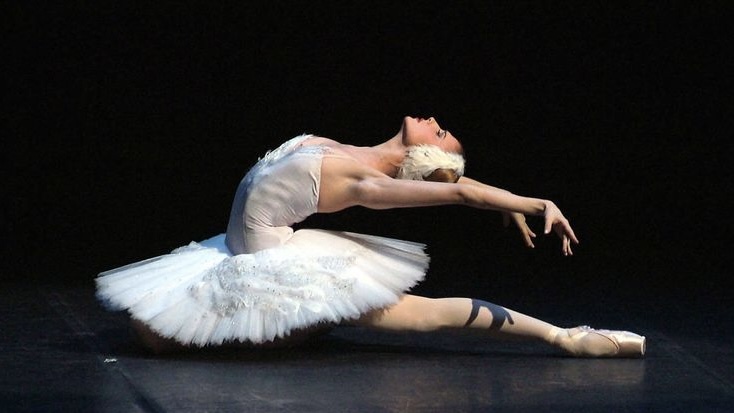
Ballet, often perceived as an art form of ethereal grace and rigorous discipline, offers far more to its practitioners than beautiful movement alone. Beyond the pliés and pirouettes, engaging with ballet provides a rich tapestry of physical, mental, and emotional benefits that are increasingly supported by scientific research.
Physical Transformation and Performance Metrics
Ballet is a highly sophisticated system for conditioning the human body, providing a balanced workout that benefits both the cardiovascular and muscular systems.
Calorie Burn and Cardiovascular Health: An hour of ballet class can lead to an estimated burn of 300–500 calories, comparable to or exceeding the expenditure of an hour of running, swimming, or cycling for an individual of similar weight. More broadly, studies have shown that engaging in moderate-intensity dancing can make individuals 46% less likely to develop or die from heart disease over a 10-year period compared to non-dancers.
Balance and Postural Stability: The demanding positions and core focus of ballet significantly refine an individual’s sense of balance. Research suggests that for novice dancers and older adults, regular ballet training can lead to significant positive changes in balance ability, with some studies demonstrating improvements in lower limb strength and high adherence rates (up to 95%) in adults aged 50 and over. Furthermore, professional dancers have been found to recruit more motor modules (groups of muscles) and do so more consistently than untrained individuals, demonstrating a more effective and efficient muscle coordination for everyday movements like walking and balancing.
Bone Density and Flexibility: As a form of weight-bearing activity, ballet contributes to maintaining or even building bone density, a crucial factor in reducing the risk of osteoporosis, especially in older adults. The constant, controlled stretching and muscle elongation unique to ballet practice contributes to improved flexibility and range of motion, which, in turn, helps reduce the risk of injury and chronic pain.
The rigorous cognitive demands of ballet make it a potent workout for the brain, enhancing focus, memory, and spatial awareness.
Cognitive Function and Memory: Learning and recalling complex movement sequences (the enchaînement) engages the brain’s working memory and executive functions. A systematic review found that structured dance of any genre is generally equally, and occasionally more, effective than other types of structured exercise for improving a range of psychological and cognitive outcomes, including memory and social cognition.
Neuroplasticity and Disease Risk: The combination of physical and mental stimulation, along with the social component, makes dance uniquely powerful for brain health. A landmark study published in the New England Journal of Medicine found that frequent dancing was the only physical activity of 11 studied to be associated with a reduced risk of dementia (by an estimated 76%).
Vestibular Processing and Balance Control: Specialized research on professional ballet dancers has shown that years of turning and spotting can lead to measurable changes in the brain. Dancers show decreased density of gray matter in the brain’s area of vestibular processing (the system that controls dizziness), meaning their nervous system actually evolves to help them feel less dizzy during spins than the average person. Simultaneously, they show increased gray matter density in the prefrontal cortex, which assists with balance control.
Stress and Emotional Wellbeing: Like all exercise, ballet releases endorphins, the ‘feel-good’ hormones. However, the structured, expressive, and often group-based nature of dance enhances this benefit. Studies have concluded that physical activity, including dance, significantly reduces symptoms of anxiety and depression, especially when practiced regularly within a supportive environment. The social connection in group settings is also linked to the release of oxytocin, a hormone that supports feelings of trust and well-being.
In essence, ballet is a whole-body discipline with statistically measurable benefits that impact not just physical aesthetics and performance, but also cognitive longevity and mental resilience.
Achieve More With VSA: Boost your skills with world-class coaches for just $29/hour. Perfect for skaters, hockey players, dancers, and athletes, VSA offers personalized training 24/7, 365 days a year, anywhere in the world.


 English
 中文 (中国)
 Español