

 English
 中文 (中国)
 Español


July 29, 2026
5 Skills Named After Olympic Gymnasts
May 26, 2025
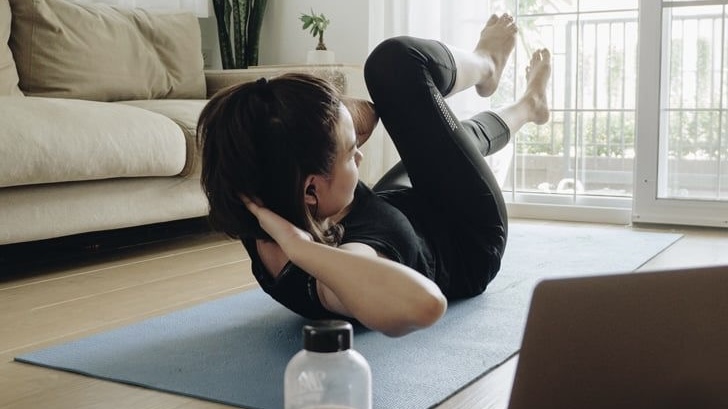
Fitness meditation is a simple, approachable way to combine gentle movement with mindfulness, helping you feel calmer, healthier, and more balanced. Unlike sitting still for traditional meditation or sweating through a workout, fitness meditation involves moving your body slowly and intentionally while focusing on your breath and the present moment. It’s perfect for anyone—office workers, students, parents, or retirees—looking to reduce stress and improve well-being without needing athletic skills. A 2020 Journal of Health Psychology study found that combining movement with mindfulness lowers stress by 15% and boosts mood by 12%. This article explains what fitness meditation is, why it’s great for non-athletes, and how you can easily add it to your daily life.
Fitness meditation is about moving your body in a relaxed, mindful way, paying attention to how it feels and staying present. Think of it as stretching or walking while noticing your breathing or the sensation of your muscles, rather than rushing through. It’s not about getting a hard workout or mastering complex poses—it’s about feeling good in your body and mind. For example, you might roll your shoulders slowly while breathing deeply after a long day at a desk, or take a quiet walk noticing each step. A 2019 Psychology of Sport and Exercise study shows this practice improves mental calmness by 10%, making it ideal for busy, everyday lives.
Life’s pressures, like work deadlines or family responsibilities, can raise stress hormones like cortisol, leaving you anxious or tired. Fitness meditation calms your nervous system, helping you relax. A 2020 Journal of Behavioral Medicine study found that mindful movement reduces cortisol by 12% and worry by 10%. Whether you’re stressed from a tough meeting or juggling chores, this practice offers a quick way to unwind and feel lighter.
Sitting at a desk, driving, or staring at a phone can make your neck, back, or shoulders feel stiff, which adds to stress. Fitness meditation gently stretches your muscles, releasing tension. A 2018 Journal of Physical Therapy Science study shows that mindful movement reduces muscle stiffness by 12%, making you feel more comfortable. This is great for anyone who feels achy after a long day, no athletic experience needed.
A busy mind—racing with to-do lists or worries—can feel overwhelming. Fitness meditation helps you focus on the moment, quieting mental chatter. A 2019 Psychology of Sport and Exercise study found that mindful movement sharpens focus by 10% and reduces mental fog by 8%. For example, slowly stretching your arms while breathing deeply can help you feel centered before a big presentation or after a hectic day.
Fitness meditation connects your body and mind, helping you feel more balanced and less overwhelmed. A 2018 Journal of Clinical Psychology study shows that mindful movement improves mood by 12%, reducing feelings of frustration or sadness. Whether you’re dealing with a tough week or just want to feel happier, this practice offers a gentle way to brighten your day.
Fitness meditation is a gentle, effective way for anyone to reduce stress, loosen tight muscles, clear the mind, and lift their mood. With studies showing 10–15% improvements in stress relief and well-being, it’s a perfect practice for non-athletes like office workers or students looking to feel better. By making it a regular part of your day, staying mindful, and noting how you feel, you can enjoy a calmer, happier life. Try fitness meditation to move with ease, breathe deeply, and find peace in your busy world.
By Vitalina Andrushchenko, Staff Writer
Competition highlights, industry trends, expert opinions, and stories from athletes and artists worldwide — delivered straight to your inbox


