 English
 中文 (中国)
 Español
July 29, 2026
5 Skills Named After Olympic Gymnasts
October 17, 2026
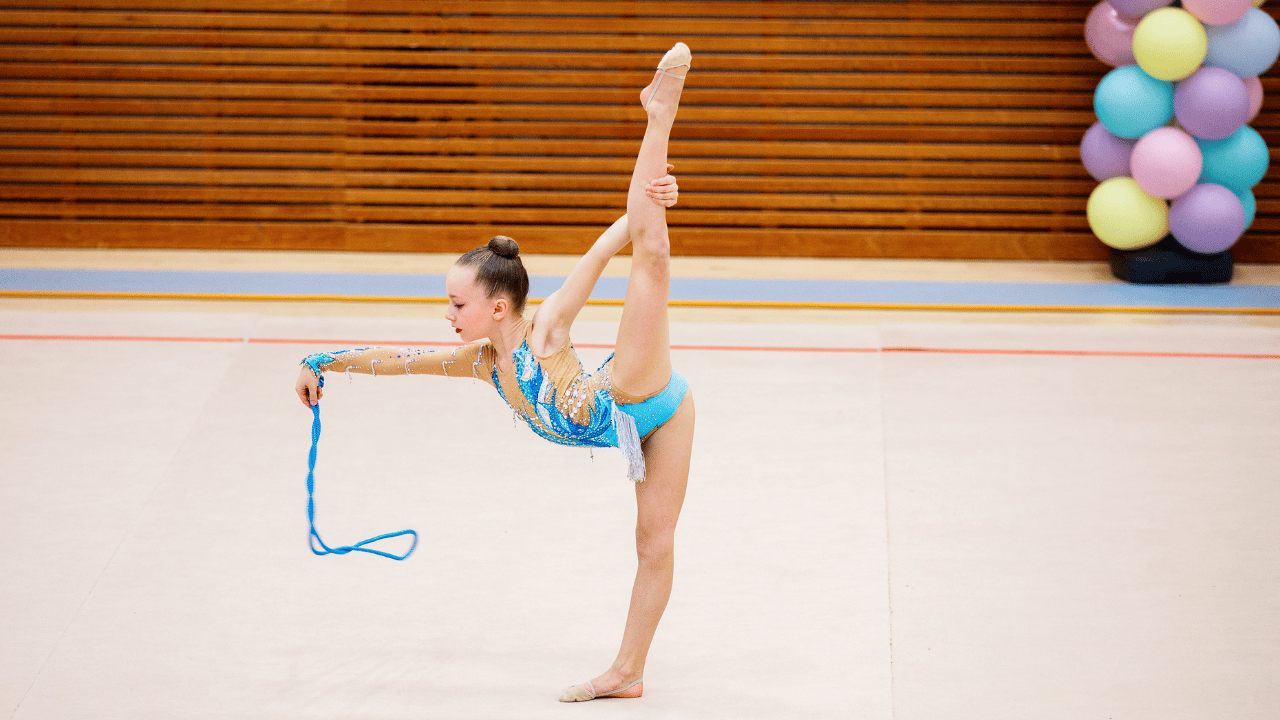
In rhythmic gymnastics, a successful routine is about much more than flexibility, difficult tricks, and perfectly executed apparatus skills. Judges also look for artistic expression, musicality, and dance steps that bring the choreography to life. These elements help transform a sequence of movements into a compelling performance that connects with the music and communicates a clear artistic idea.
Expression is one of the qualities that makes a rhythmic gymnastics routine memorable. Judges evaluate how effectively a gymnast communicates the character, mood, and emotions of the choreography through facial expression, body language, posture, and movement quality.
A strong performance does not require exaggerated facial expressions or constant smiling. Instead, the gymnast should demonstrate emotions that suit the music and the concept of the routine. A dramatic piece may call for intensity and sharp gestures, while a softer composition may require delicacy, fluidity, and restraint.
Expression must also remain consistent throughout the routine. If the choreography shifts from playful to dramatic, the gymnast should reflect that change naturally. Every gesture, body position, and transition should contribute to the overall artistic impression.
What to focus on: Practise performing the routine without apparatus first, concentrating on facial expression, posture, eye focus, and the intention behind each movement. Then add the apparatus while maintaining the same expressive quality.
Musicality means more than performing movements at the correct tempo. Judges look for a meaningful relationship between the gymnast’s movements and the music, including its rhythm, phrasing, accents, dynamics, and emotional character.
A gymnast with strong musicality knows when to move sharply, when to sustain a position, and when to use a pause to create anticipation. Important musical accents should be reflected in the choreography, while changes in tempo and intensity should be visible in the quality of movement.
For example, a sudden musical accent might be highlighted by a precise body movement or a dynamic apparatus action. A gradual musical build-up could be expressed through increasing movement amplitude, travelling steps, or a carefully timed balance.
Musicality also involves listening to the entire composition rather than relying only on a strong beat. Gymnasts should recognize changes in melody, instrumentation, and phrasing so that the routine feels integrated with the music rather than performed on top of it.
What to focus on: Listen to the music without moving and mark its main accents, pauses, and changes in energy. Then practise the choreography while exaggerating these musical details slightly before refining them into a controlled performance.
Dance steps are an essential part of rhythmic gymnastics because they connect technical elements and help establish the character of a routine. Dance sequences should demonstrate rhythm, coordination, appropriate technique, and a clear relationship with the music.
Judges look at the quality and precision of the steps, including foot placement, body alignment, posture, coordination between the upper and lower body, and the ability to move smoothly from one step to another.
Dance elements should also suit the style of the choreography. A routine inspired by ballet may require elegant lines and controlled footwork, while a folk-inspired or contemporary sequence may demand different accents, rhythms, and movement qualities.
Importantly, dance steps should not appear as isolated movements inserted simply to fill time. They should contribute to the composition, connect different parts of the routine, and help the gymnast maintain artistic continuity while managing the apparatus.
What to focus on: Practise dance sequences slowly before increasing the tempo. Pay attention to clean footwork, stable posture, accurate rhythm, and smooth transitions. Once the technique is secure, add the musical character and expressive details.
Expression, musicality, and dance technique are closely connected. A gymnast may perform technically correct steps, but without musical sensitivity or expressive intention, the routine can feel mechanical. Similarly, strong facial expression cannot compensate for movements that lack rhythm or coordination.
The strongest performances combine all three elements. The gymnast understands the music, uses dance steps to shape the choreography, and communicates its character through the entire body. Apparatus handling should support this artistic development rather than interrupt it.
Coaches can help by evaluating routines from different perspectives: first without music to examine movement quality, then with music to assess timing, and finally as a complete performance to judge artistic coherence.
Improving artistic performance requires consistent practice, detailed observation, and an understanding of the routine’s overall concept.
Gymnasts can make progress by recording their routines and checking whether their movements match musical accents, whether transitions look intentional, and whether their expressions remain appropriate throughout the performance. Practising in front of a mirror can help develop body awareness, although occasional mirror-free practice is important for building spatial confidence.
It is also useful to study different dance styles and work on coordination, balance, flexibility, and body control. These skills provide a stronger foundation for expressive movement and more precise choreography.
Judging criteria and deductions depend on the applicable FIG Code of Points and competition rules. Artistic components should therefore be assessed using the current rules for the specific event rather than assumptions about what judges personally prefer.
Ultimately, a memorable rhythmic gymnastics routine combines technical precision with artistic purpose. When expression, musicality, and dance steps work together, every movement contributes to a performance that feels coherent, dynamic, and engaging.
Achieve More With VSA: Boost your skills with world-class coaches for just $29/hour. Personalized programs 24/7, 365 days a year, anywhere in the world.
By Vitalina Andrushchenko, Staff Writer
July 29, 2026
5 Skills Named After Olympic Gymnasts
May 24, 2026
How to Improve Toe Point in Ballet
April 28, 2026
5 Ways to Hold Spin Positions Longer
Competition highlights, industry trends, expert opinions, and stories from athletes and artists worldwide — delivered straight to your inbox