

 English
 中文 (中国)
 Español


July 29, 2026
5 Skills Named After Olympic Gymnasts
July 18, 2024
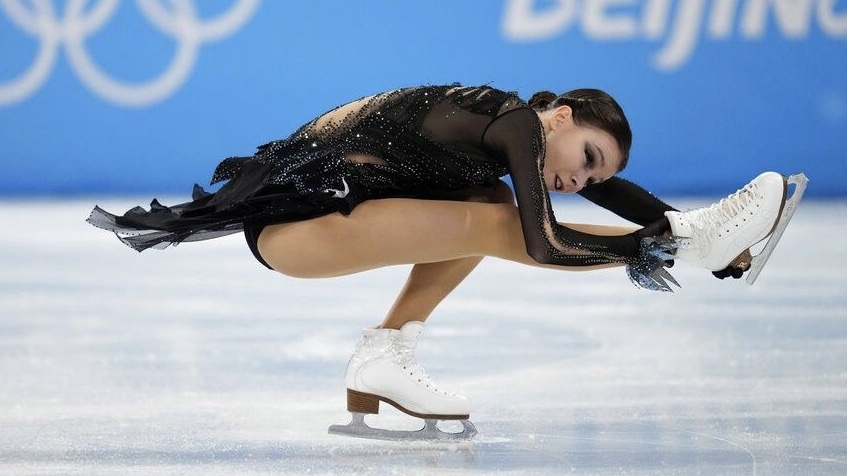
Hitting the ice requires your body to be primed for peak performance. Proper nutrition is key, and timing your meals strategically can make a big difference in your energy levels and training effectiveness. So, how many hours before training is ideal for a figure skater to eat?
The Golden Window: 2-3 Hours Before
Aim to eat a balanced meal 2-3 hours before your training session. This allows your body ample time to digest the food and convert it into usable energy.
What to Include:
Pre-Practice Snack (Optional): 30-60 Minutes Before
If your training session is closer than 2 hours away, consider a smaller, easily digestible snack:
Focus on Easily Digestible Options:
Avoid heavy meals, greasy foods, or sugary drinks right before practice. These can cause stomach discomfort and hinder your performance.
Listen to Your Body:
This is a general guideline, and individual needs may vary. Experiment and find what works best for you. Pay attention to how you feel during training and adjust your timing or portion sizes accordingly.
Hydration is Key:
Don’t forget to stay hydrated throughout the day. Drink plenty of water before, during, and after your training session.
Remember:
Competition highlights, industry trends, expert opinions, and stories from athletes and artists worldwide — delivered straight to your inbox


