

 English
 中文 (中国)
 Español


July 29, 2026
5 Skills Named After Olympic Gymnasts
November 29, 2025
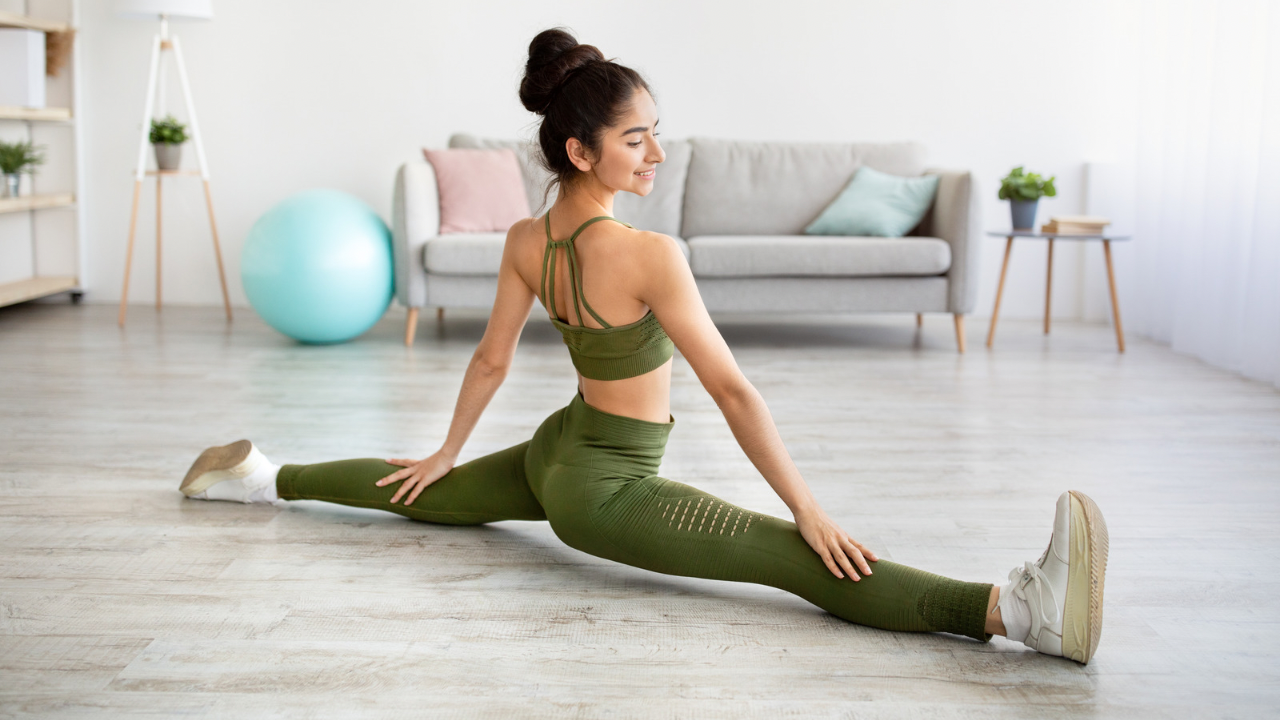
You’ve decided to get more flexible. Great. Now the real question everyone asks (usually after three days of touching their toes and feeling exactly the same): “When does this actually start working?”
Here’s the honest timeline, based on how the body actually changes — not hype, not overnight TikTok miracles.
You won’t see big changes yet, and that’s normal. What’s really going on:
Most beginners notice they can breathe deeper into a stretch or hold it a little longer without white-knuckle tension by the end of week two.
This is when most people finally go, “Wait… something is different.” Typical beginner gains:
You’ll probably add 3–10 cm to a seated reach or straddle by week six if you’re consistent (4–6 sessions per week, 15–30 minutes each). These are the fastest gains you’ll ever make because you’re starting from the tightest your body has ever been as an adult.
By the three-month mark, the changes feel permanent.
After the initial four months, progress becomes slower and steadier — usually 1–3 cm per month in a given stretch, depending on age, genetics, and consistency. This is when people separate “I’m a bit looser” from “I’m actually flexible.”
Bottom line: If you’re stretching regularly and intelligently, you will feel looser within a month and see visible progress within two to three months. Anyone who promises dramatic splits in 10 days is selling hope, not science.
Keep showing up. The body is slow, but it’s honest. Every single session counts — you just won’t see the compound interest until around week five or six. That’s when most beginners smile and think, “Okay… this is actually working.”
Stay patient for 90 days. Your future, bendier self is already on the way.
Achieve More With VSA: Boost your skills with world-class coaches for just $29/hour. Perfect for skaters, hockey players, dancers, and athletes, VSA offers personalized training 24/7, 365 days a year, anywhere in the world.
By Vitalina Andrushchenko, Staff Writer
Competition highlights, industry trends, expert opinions, and stories from athletes and artists worldwide — delivered straight to your inbox


