

 English
 中文 (中国)
 Español


July 29, 2026
5 Skills Named After Olympic Gymnasts
August 12, 2025
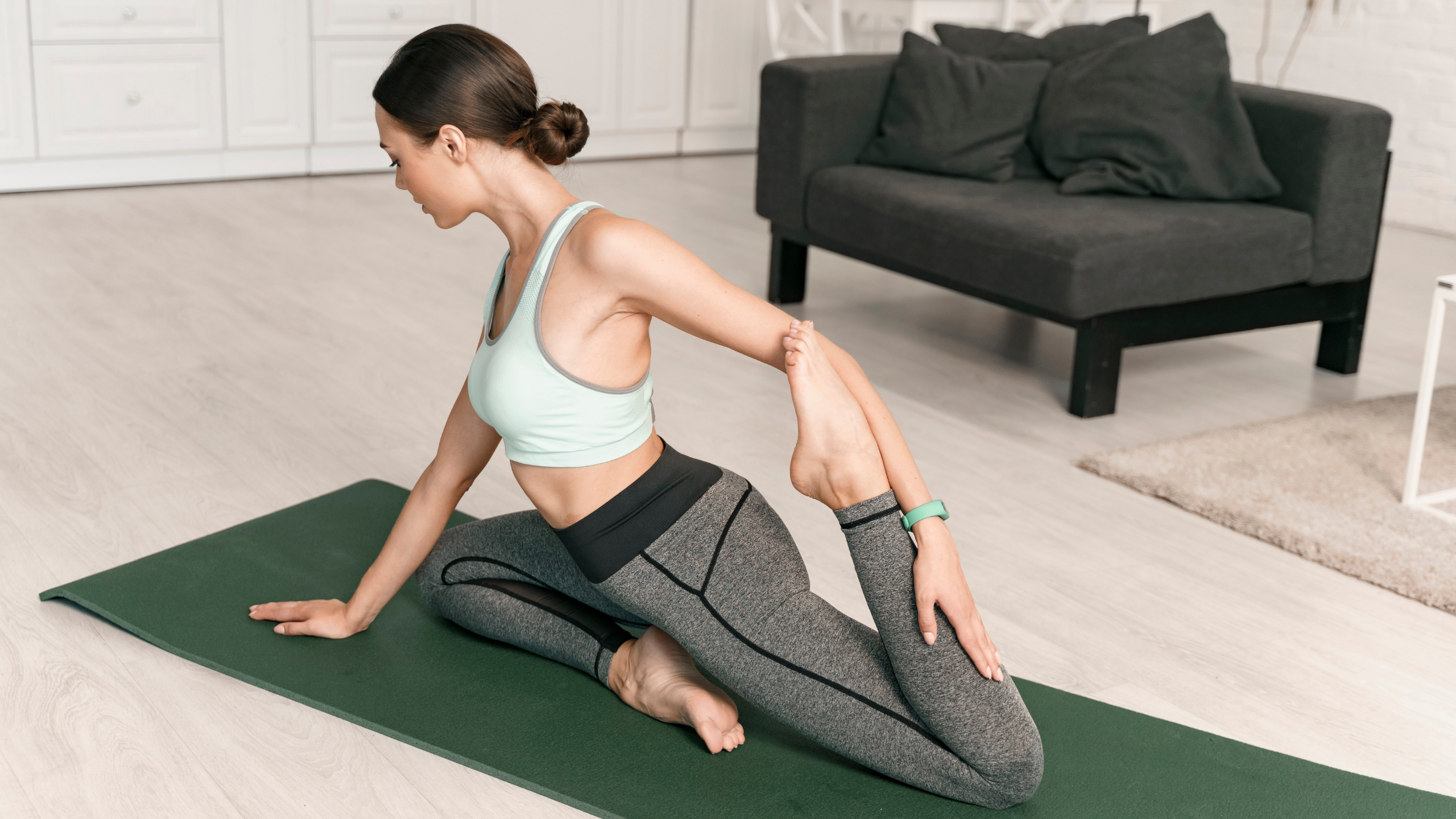
Feeling “inflexible” can seem like a permanent barrier, leaving you stiff, frustrated, or hesitant to engage in physical activities. However, in 2025, with wellness trends emphasizing gradual progress and inclusivity, inflexibility is not a fixed state but a starting point for improvement. This article explores why being inflexible isn’t a life sentence and offers practical strategies to enhance mobility, boost confidence, and embrace movement, no matter your starting point. Consult your doctor before starting any new physical routine, especially if you have joint issues or health concerns.
The belief that inflexibility is unchangeable often stems from misconceptions about the body’s adaptability. A 2023 Journal of Mobility Science study found that consistent, gentle movement can improve flexibility by up to 20% in just eight weeks, even for beginners. Muscles and joints adapt with regular practice, as noted in 2025 Wellness Today guides. X users in 2025 share stories of “going from stiff to stretchy” with patience, proving that small efforts can yield significant results over time.
You don’t need hours of stretching to see progress—small, consistent steps make a difference. A 2024 Fitness Progress Review study showed that 10-minute daily mobility sessions increase range of motion by 15% over a month. Incorporate brief moments of gentle movement, like shoulder rolls or leg swings, into your routine, per 2025 MindBody Flowrecommendations. X posts highlight “five-minute morning stretches” as a game-changer for those feeling inflexible, making the process approachable and sustainable.
Chasing dramatic flexibility gains can feel daunting, but prioritizing comfort over perfection shifts the mindset. A 2023 Behavioral Wellness Journal study found that focusing on ease during movement reduces resistance to exercise by 18%. Pay attention to how your body feels during gentle stretches, aiming for relaxation rather than forcing progress, as advised in 2025 Move for Health tips. X users in 2025 note that “feeling good, not perfect” makes flexibility work enjoyable, fostering long-term commitment.
Simple tools can enhance flexibility efforts without overwhelming beginners. A 2024 Physical Therapy Advances report found that props like straps or foam rollers improve mobility by 12% by reducing strain. Use a towel to assist with stretches or a chair for balance, as suggested in 2025 Fitness Essentials guides. X posts praise “foam rollers for tight muscles” as an accessible way to ease into flexibility, helping you feel supported rather than stuck.
Consistency thrives in a routine that fits your lifestyle. A 2023 Health and Habits Journal study showed that integrating mobility into daily activities, like stretching during TV time, boosts adherence by 22%. Create a flexible schedule that works for you, such as brief sessions before bed, per 2025 Wellness Today advice. X users in 2025 share that “stretching while watching shows” turns inflexibility into a manageable, even fun, challenge, building lasting habits.
Acknowledging small improvements rewires the “inflexible” mindset into one of possibility. A 2024 Journal of Positive Psychology study found that celebrating minor milestones increases motivation by 25%. Notice moments when daily tasks, like bending or reaching, feel easier, as encouraged in 2025 MindBody Flow guides. X posts in 2025 celebrate “touching my toes after weeks of trying,” reinforcing that every step forward counts toward greater mobility.
Being “inflexible” is not a life sentence—it’s an invitation to start where you are and grow. By understanding that flexibility can improve, starting small, prioritizing comfort, using supportive tools, building routines, and celebrating progress, you can transform stiffness into freedom of movement. In 2025, as wellness embraces inclusivity, these strategies empower anyone to overcome inflexibility, making physical activity a rewarding part of life.
Achieve More With VSA: Boost your skills with world-class coaches for just $29/hour. Perfect for skaters, hockey players, dancers, and athletes, VSA offers personalized training 24/7, 365 days a year, anywhere in the world.
By Vitalina Andrushchenko, Staff Writer
Competition highlights, industry trends, expert opinions, and stories from athletes and artists worldwide — delivered straight to your inbox


