

 English
 中文 (中国)
 Español


July 29, 2026
5 Skills Named After Olympic Gymnasts
September 16, 2025
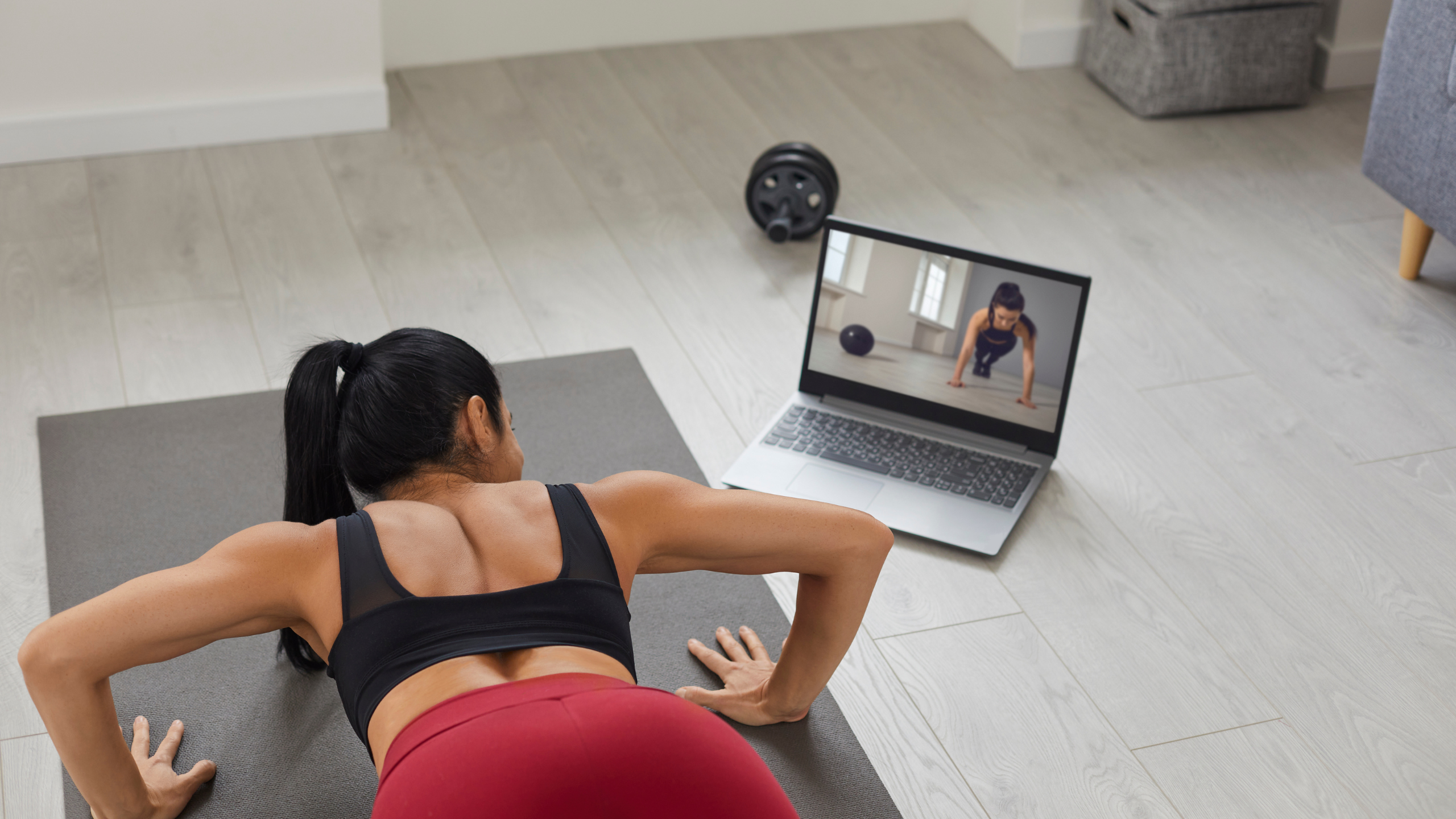
You’re sitting at your desk, slouched over your keyboard, or maybe you’re hauling groceries with your shoulders hunched. Ever stop to think how your posture—the way you hold your body—shapes your day? Posture isn’t just about looking poised; it’s the backbone (literally!) of your physical health, mental focus, and even how others perceive you. Whether you’re typing emails, chasing kids, or just standing in line, good posture can transform how you feel and function. Let’s explore why posture is a game-changer for everyday life, backed by science and relatable scenarios that show its surprising power.
Posture is how your body aligns itself—spine, shoulders, hips, and head—whether you’re sitting, standing, or moving. Good posture keeps your skeleton and muscles in harmony, distributing weight evenly to reduce strain on joints and tissues. Think of it as your body’s natural architecture, designed to keep you strong and balanced.
Poor posture, like slumping or leaning forward, throws this balance off, overloading certain muscles and joints while underusing others. Over time, this can lead to discomfort, fatigue, and even injury. Research shows that maintaining a neutral spine—slightly curved, not overly arched or rounded—can reduce compressive forces on the spine by up to 20%, making movements more efficient and safer. This is supported by Neumann, D. A. (2016). Kinesiology of the Musculoskeletal System, which details spinal biomechanics.
Good posture is like a shield for your body. When you stand or sit with your spine aligned, shoulders back, and core engaged, you reduce stress on your muscles, ligaments, and joints. For example, a neutral spine while lifting a heavy box engages your core and glutes, protecting your lower back. Poor posture, like rounding your back, increases shear forces on the lumbar spine, raising the risk of disc injuries by 30-40%. This is backed by Cholewicki, J., & McGill, S. M. (1996). Mechanical stability of the in vivo lumbar spine, Clinical Biomechanics.
Bad posture also affects breathing. Slouching compresses your diaphragm, reducing lung capacity by up to 30%, which can leave you feeling tired or short of breath during simple tasks like walking. This is supported by Lee, L. J., & Lee, D. (2012). The Pelvic Girdle, discussing posture’s impact on respiratory function. Good posture, by contrast, opens your chest, letting you breathe deeper and feel more energized.
Example: Picture carrying a heavy backpack. Slouch forward, and your shoulders ache while your breath feels shallow. Stand tall with your core tight, and the load feels lighter, your steps more confident.
Your posture doesn’t just shape your body—it influences your brain. Slumping can signal to your nervous system that you’re tired or stressed, dampening your mood and focus. Studies show that upright posture increases alertness and cognitive performance by 10-15% compared to slouched positions, as it enhances oxygen flow to the brain and reduces muscle tension. This is drawn from Peper, E., & Lin, I. M. (2012). Increase or decrease depression: How body postures influence your energy level, Biofeedback.
Good posture also boosts confidence. Research on “power posing” indicates that standing tall with shoulders back can increase testosterone levels by up to 20% and lower cortisol (stress hormone) by 25%, making you feel more assertive and calm. This is from Carney, D. R., et al. (2010). Power posing: Brief nonverbal displays affect neuroendocrine levels, Psychological Science.
Real-World Scenario: Slumped at your desk during a long meeting? You might feel foggy and drained. Sit up straight, and suddenly you’re more alert, ready to tackle that next task.
Ever notice how someone who stands tall seems more confident? Posture shapes first impressions. Studies show that people with upright posture are perceived as more competent and approachable, with 70% of nonverbal communication tied to body language. This is supported by Mehrabian, A. (2007). Nonverbal Communication, discussing body language’s role in perception. Whether you’re at a job interview or chatting with friends, good posture projects strength and openness.
Poor posture, like hunching, can make you appear tired or insecure, even if you’re feeling great. Over time, slouching can also alter your appearance, creating a forward head posture that shortens neck muscles and exaggerates a rounded back, which is harder to correct the longer it persists.
Example: Walk into a room with your shoulders back and head high, and people notice. Slouch, and you might blend into the background, even if your ideas are brilliant.
From desk jobs to parenting, posture impacts every move. Poor posture during daily tasks—like bending to pick up laundry or scrolling on your phone—can tighten muscles and reduce joint mobility, contributing to 30-40% of musculoskeletal injuries in active individuals. This is backed by Hewett, T. E., et al. (2005). Biomechanical measures of neuromuscular control and injury risk, The American Journal of Sports Medicine.
Good posture, however, enhances efficiency. Proper alignment strengthens stabilizing muscles and can increase joint range of motion by up to 15%, making tasks like reaching for a shelf or climbing stairs feel smoother. This is supported by Latash, M. L. (2008). Synergy, discussing muscle coordination and mobility gains.
Scenario: When you bend to grab groceries with a straight back and engaged core, it feels effortless compared to hunching over, which leaves your back aching.
Good posture isn’t just about standing up straight—it’s built through fitness that strengthens and balances your body. Activities that enhance core strength, back muscle endurance, and flexibility can support proper alignment by stabilizing the spine and hips. For example, strong core muscles act like an internal corset, keeping your torso upright, while flexible hamstrings and hip flexors prevent slouching by maintaining pelvic alignment. Research shows that improving muscle strength and joint mobility through fitness can increase postural stability by up to 15%, reducing the effort needed to maintain alignment during daily tasks. This is supported by Latash, M. L. (2008). Synergy, which discusses muscle coordination and posture. Fitness also trains your proprioception—your body’s sense of position—helping you instinctively hold better posture, whether sitting at a desk or lifting a bag.
For everyday people—office workers, parents, or weekend walkers—posture is more than a health tip; it’s a superpower. It protects your body, sharpens your mind, and elevates how others see you. Think of posture as your body’s foundation: when it’s strong, everything else falls into place. Next time you’re sitting at your desk or lifting a bag, check your alignment—spine straight, shoulders relaxed, core engaged. That small adjustment could change how you move, feel, and show up in the world.
Achieve More With VSA: Boost your skills with world-class coaches for just $29/hour. Perfect for skaters, hockey players, dancers, and athletes, VSA offers personalized training 24/7, 365 days a year, anywhere in the world.
By Vitalina Andrushchenko, Staff Writer
Competition highlights, industry trends, expert opinions, and stories from athletes and artists worldwide — delivered straight to your inbox


