English
 中文 (中国)
 Español


July 29, 2026
5 Skills Named After Olympic Gymnasts
March 07, 2025

Your back is the unsung hero of your body—a complex network of muscles, ligaments, and vertebrae that keeps you upright, mobile, and functional. Yet, it’s also one of the most neglected areas when it comes to self-care. Whether you’re hunched over a desk, lifting heavy loads, or simply battling the wear and tear of daily life, your back takes a beating. That’s where stretching comes in. Far from being a luxury, stretching your back is a necessity for maintaining physical health, preventing injury, and enhancing overall quality of life. Here’s why.
Modern lifestyles wreak havoc on our backs. Hours spent sitting—whether at a computer, in a car, or on the couch—lead to tight muscles and poor posture. This tension often manifests as nagging lower back pain, a complaint that affects millions worldwide. Stretching helps by lengthening tight muscles, improving blood flow, and releasing built-up stress. A simple move like a seated forward fold or a cat-cow stretch can ease discomfort in minutes, offering a natural remedy to aches that might otherwise linger.
A stiff back limits how you move. Over time, inflexible muscles and joints can make everyday tasks—like bending to tie your shoes or reaching for a high shelf—feel harder than they should. Regular back stretches, such as a gentle spinal twist or a knee-to-chest pull, keep your spine supple and your muscles pliable. This increased flexibility doesn’t just make life easier; it also reduces the risk of strains and sprains by preparing your body for physical demands.
Your spine isn’t just a stack of bones—it’s a dynamic structure that relies on surrounding muscles for stability. When those muscles tighten or weaken, your spine bears the brunt, potentially leading to issues like herniated discs or chronic misalignment. Stretching strengthens the muscles that support your spine, such as the erector spinae and multifidus, while promoting proper alignment. Think of it as routine maintenance for your body’s central pillar, helping you avoid bigger problems down the road.
Physical activity, even something as light as stretching, gets your blood moving. This improved circulation delivers oxygen and nutrients to your back muscles, speeding up recovery after exercise or a long day. For those who lift weights, play sports, or engage in manual labor, stretching can reduce post-activity soreness (known as delayed onset muscle soreness, or DOMS) and keep your back ready for the next challenge.
A tight or inflexible back is a ticking time bomb for injury. Sudden movements—like twisting to grab something or lifting improperly—can strain muscles or even damage your spine if it’s not prepared. Stretching acts as a safeguard, warming up your muscles and enhancing their elasticity. Athletes and fitness enthusiasts swear by dynamic stretches before workouts and static stretches afterward to keep injuries at bay, but even non-athletes benefit from this protective habit.
Slouching isn’t just a bad look—it’s a back killer. Poor posture strains your spine, tightens your chest, and weakens your upper back muscles over time. Stretching counteracts this by opening up your chest (with moves like the cobra pose) and strengthening your back (via stretches like the Superman hold). The result? You stand taller, breathe easier, and project confidence—all while reducing the load on your spine.
Your back doesn’t just carry physical weight—it holds emotional stress, too. Ever notice how your shoulders creep toward your ears when you’re anxious? Stretching releases that pent-up tension, triggering the parasympathetic nervous system to calm your body and mind. A few minutes of stretching, paired with deep breathing, can melt away stress and leave you feeling refreshed. It’s a small investment with a big payoff.
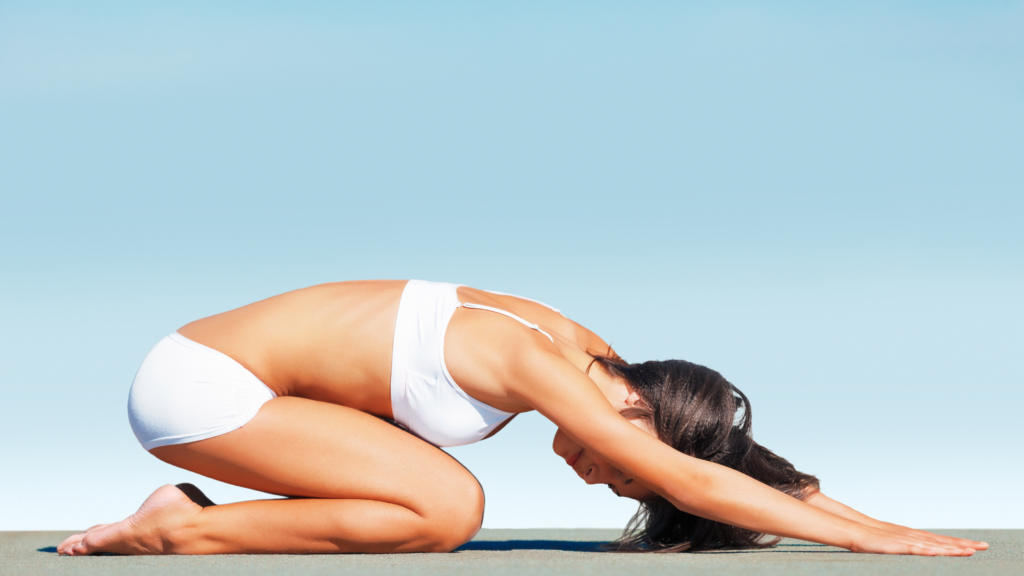
You don’t need to be a yogi to reap these benefits. Simple stretches like the child’s pose, standing side bend, or bridge pose can work wonders, and they require no equipment—just a few minutes of your time. Aim to stretch daily, especially after long periods of sitting or physical exertion. Start gently, listen to your body, and avoid pushing past your comfort zone to prevent overextension.
Stretching your back isn’t optional—it’s a vital part of staying healthy and mobile. From easing pain to preventing injury, the benefits ripple through your entire body, enhancing how you move, feel, and live. In a world that demands so much of us physically and mentally, a few minutes of back stretching is a small but powerful act of self-preservation. So, roll out a mat, take a deep breath, and give your back the attention it deserves. Your future self will thank you.
By Vitalina Andrushchenko, Staff Writer
Competition highlights, industry trends, expert opinions, and stories from athletes and artists worldwide — delivered straight to your inbox