

 English
 中文 (中国)
 Español


July 29, 2026
5 Skills Named After Olympic Gymnasts
January 31, 2026
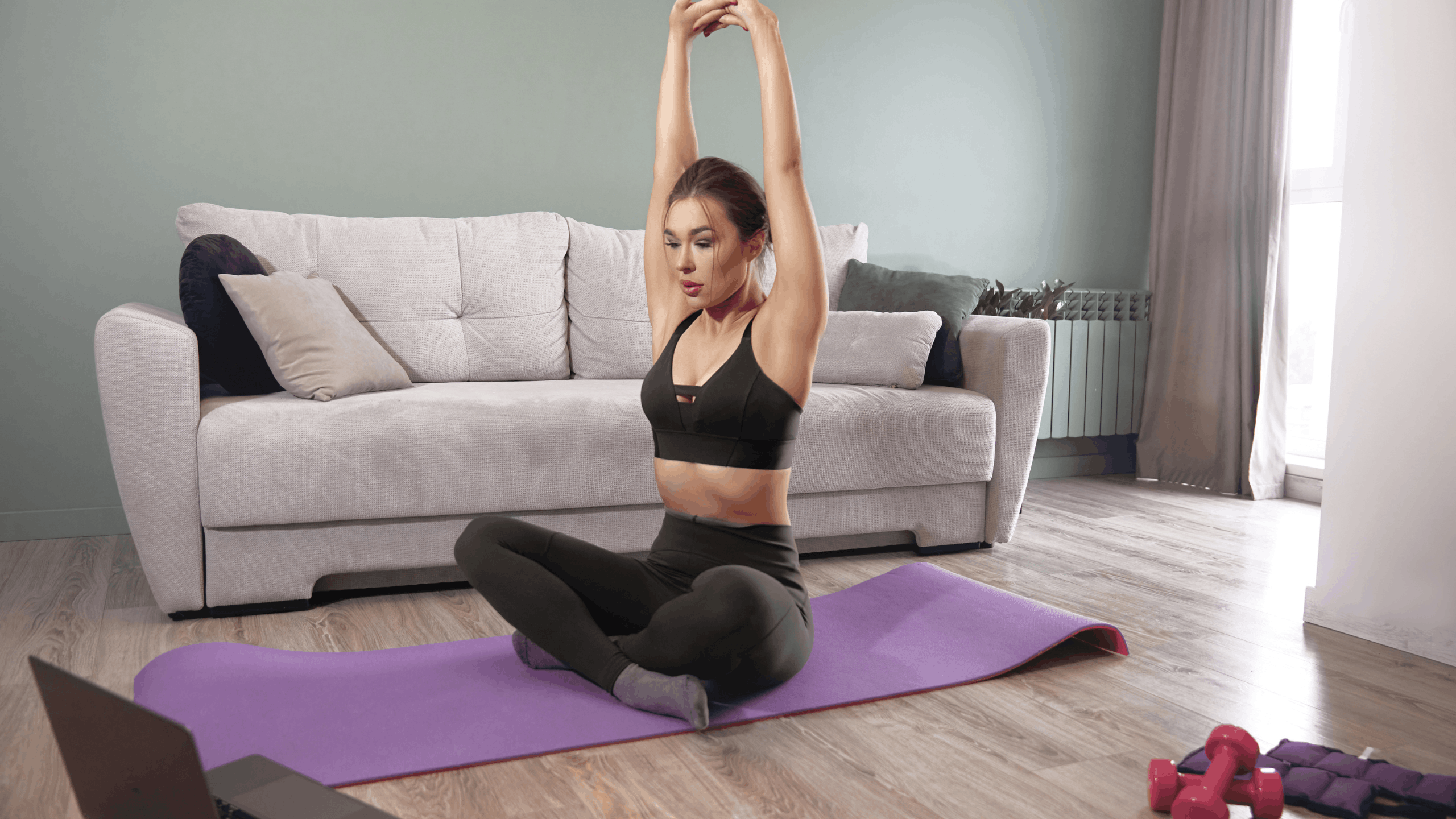
We’ve all been there: a quick stretch in the morning feels like a simple physical “wake-up,” but a deep stretch after a brutal workday feels like your entire soul is exhaling. This isn’t just a mood—it’s your body undergoing a total biological “reset.”
When you’re stressed, your body isn’t just tired; it’s actually stuck in a defensive chemical state. Stretching acts as a manual override to flip the switch from “survival mode” back to “safety.”
Think of stress as a high-speed car chase. Your Sympathetic Nervous System has the gas pedal floored, flooding you with adrenaline. Mindful stretching, especially when you breathe deeply, stimulates the Vagus Nerve. This nerve acts as the body’s brake pedal, instantly telling your heart to slow down and signaling your brain to stop pumping out stress hormones (Frontiers in Psychology, 2017).
When you’re under pressure, your muscles tighten up as a form of “biological armor” to protect your vital organs. This constant tension blocks blood flow and lets pro-inflammatory cytokines (the body’s “smoke signals” for pain and swelling) build up in your tissues. Stretching creates a physical “shearing” effect that tells your cells to release Resolvins—tiny molecules that act like a cleaning crew to wash away that chemical sludge and resolve inflammation (Journal of Cellular Physiology, 2016).
Ever noticed how you don’t realize your shoulders are up to your ears until you consciously drop them? This is “sensory-motor amnesia.” Your brain literally forgets how to feel certain muscles because it’s so focused on the stress at hand. Stretching boosts your Proprioception—your internal GPS—which “reminds” your brain exactly where your limbs are, forcing the motor cortex to finally let go of that unconscious grip (International Journal of Sports Physical Therapy, 2012).
Ultimately, that post-stress stretch is more than a movement; it is your body’s way of coming home to itself after a long day at war.
Achieve More With VSA: Boost your skills with world-class coaches for just $29/hour. Perfect for skaters, hockey players, dancers, and athletes, VSA offers personalized training 24/7, 365 days a year, anywhere in the world.
By Vitalina Andrushchenko, Staff Writer
Competition highlights, industry trends, expert opinions, and stories from athletes and artists worldwide — delivered straight to your inbox


