 English
 中文 (中国)
 Español
July 29, 2026
5 Skills Named After Olympic Gymnasts
September 27, 2026
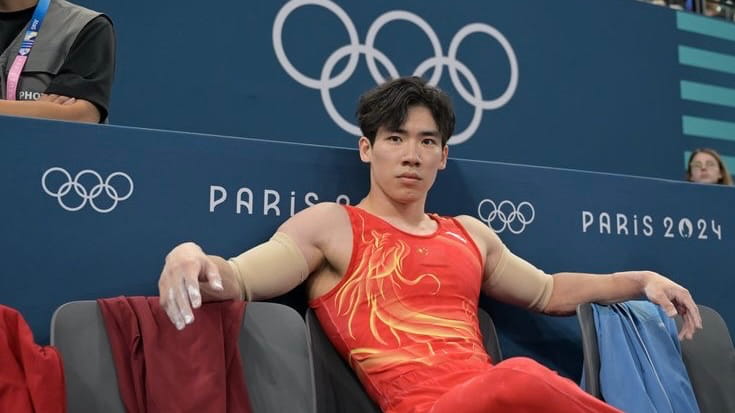
At the Aichi-Nagoya 2026 Asian Games, China’s Zhang Boheng turned a familiar story of disappointment into a double-gold performance. The 26-year-old gymnast won the men’s individual all-around title and then helped China claim gold in the team final, strengthening his position as one of Asia’s leading all-around gymnasts.
The all-around victory was particularly meaningful. Zhang had won the Asian Games title previously, but his biggest recent competitions had ended with silver. At the Paris 2024 Olympics, he finished second behind Japan’s Shinnosuke Oka. At the 2025 World Championships, he was again runner-up, this time behind Japan’s Daiki Hashimoto.
In Nagoya, Zhang faced both Japanese champions again. He delivered a total of 85.065 points across six apparatus, narrowly defeating Olympic champion Oka, who scored 84.698. Hashimoto took bronze with 83.865.
The final rotation made the result especially dramatic. Zhang needed to perform a controlled horizontal-bar routine while his Japanese rivals competed on floor. After mistakes from Oka and Hashimoto, Zhang knew that a clean routine would be enough. He stayed composed, landed safely and secured the gold.
Two days later, Zhang returned to competition with China’s team alongside Lan Xingyu, Zou Jingyuan, Sun Wei and Tian Hao.
China scored 255.095 points to win the men’s team final, with Japan taking silver on 253.826 and Chinese Taipei earning bronze with 239.896. The Chinese team led on four of the six apparatus, while Japan was stronger on floor exercise and horizontal bar.
Several routines made the difference. Lan Xingyu posted 15.200 on rings, while Zou Jingyuan produced the highest individual score of the entire team final — 15.400 on parallel bars. Zhang also contributed important performances, including 14.733 on vault and 14.666 on rings.
For China, the victory extended a remarkable Asian Games record. The men’s team has now won three consecutive Asian Games titles and 13 of the 14 men’s team gold medals contested at the Games.
Zhang’s performance in Nagoya is interesting not simply because of the medals, but because of the competitive context.
He entered the Games against two of Japan’s biggest stars: Oka, the reigning Olympic all-around champion, and Hashimoto, the reigning world all-around champion. Zhang also competed while managing an arm injury, according to the Olympic Council of Asia.
His approach was not about trying to erase every previous disappointment. Instead, the competition showed the value of controlling the next routine, especially when the pressure is highest.
For gymnasts, that is one of the most difficult skills to develop. A competition can contain six different opportunities for mistakes — and six opportunities to reset. Zhang’s performance in Nagoya demonstrated how consistency across those moments can turn a narrow margin into a championship.
With the Asian Games titles secured, Zhang now has another major international result to build on as the gymnastics season continues.
Source: article on news.cgtn.com published September 26, 2026.
Achieve More With VSA: Boost your skills with world-class coaches for just $29/hour. Personalized programs 24/7, 365 days a year, anywhere in the world.
By Vitalina Andrushchenko, Staff Writer
July 29, 2026
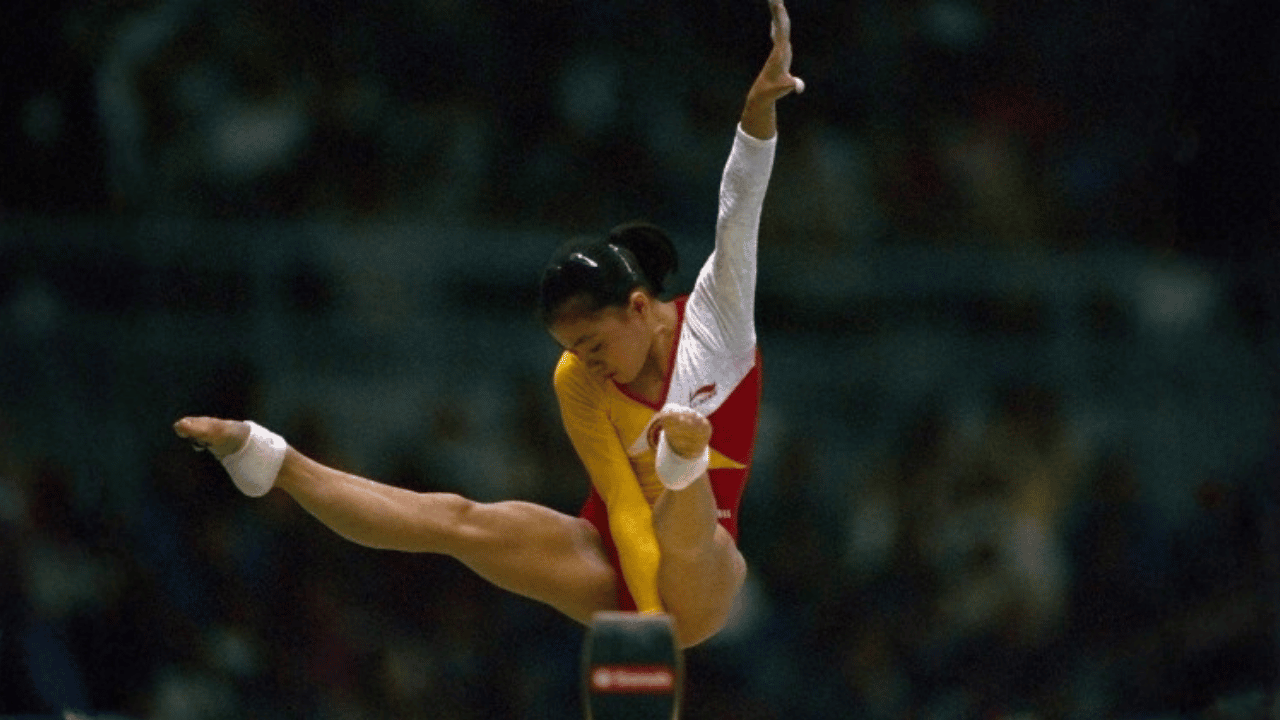
5 Skills Named After Olympic Gymnasts
May 24, 2026
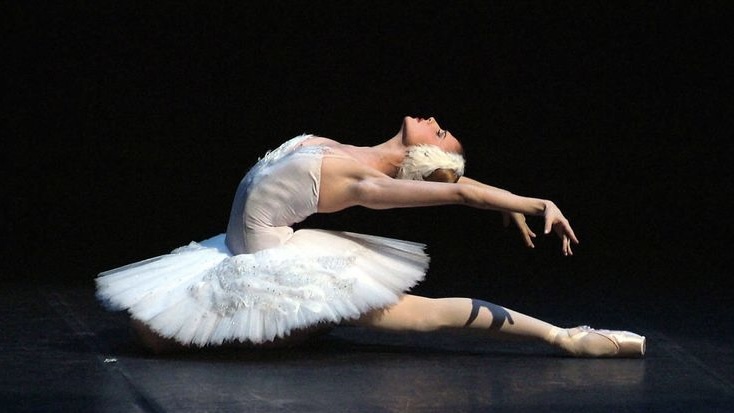
How to Improve Toe Point in Ballet

April 28, 2026
5 Ways to Hold Spin Positions Longer
Competition highlights, industry trends, expert opinions, and stories from athletes and artists worldwide — delivered straight to your inbox