

 English
 中文 (中国)
 Español

July 29, 2026
5 Skills Named After Olympic Gymnasts
October 30, 2026
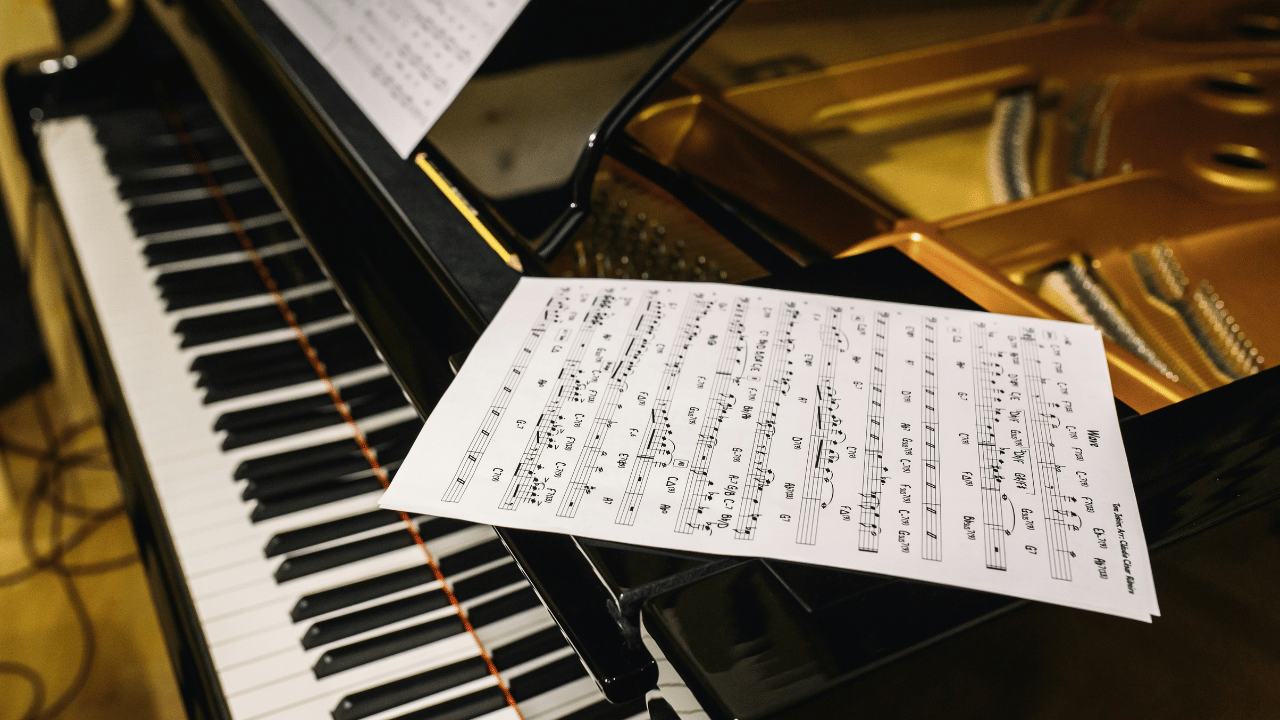
Imagine hearing your favorite song and being able to sit down at a piano or pick up a guitar and play it without looking up the sheet music. You recognize the melody, find the right notes, and gradually work out the chords. This is the skill of playing by ear, and it is something musicians can develop through practice.
Playing by ear means listening to music and figuring out how to reproduce it without relying on written notation. It involves recognizing melodies, rhythms, intervals, chords, and patterns. You do not need perfect pitch or years of musical training to begin. What you need is curiosity, patience, and a method for turning what you hear into notes.
The easiest way to approach a familiar song is to begin with its main melody. Choose a song you know extremely well, preferably one with a clear vocal line or instrumental theme.
Listen to a short section and try humming the melody. Repeat it until you can remember the shape of the phrase: does it move higher, lower, or stay on the same note? Pay attention to the rhythm and the moments when the melody pauses or repeats.
Once you can hum it confidently, find the first note on your instrument. On a piano, try individual keys until you find one that matches the sound in your head. Then work out the next few notes by comparing each key with the melody.
Do not try to figure out the entire song immediately. Start with two or three notes, then a short phrase, and gradually connect the sections.
Practice tip: Pause the recording after a short melodic phrase. Hum it, find the notes on your instrument, and check your attempt by playing the recording again.
An interval is the distance between two notes. Learning to recognize intervals makes it easier to reproduce melodies because you begin to hear how notes relate to one another instead of treating every note as a completely new sound.
For example, a melody might move one step upward, jump several notes higher, or return to the note where it started. These relationships create the musical shape you recognize.
Start with simple comparisons:
You can also use familiar songs to help remember certain intervals. Over time, your ears become more sensitive to the distances between pitches, making it easier to identify melodies without guessing randomly.
Once you have figured out the melody, the next challenge is understanding the harmony behind it.
Most popular songs use a combination of chords that create a particular mood and support the melody. Start by listening to the bass line, especially at the beginning of each phrase or section. Bass notes often provide clues about the underlying chords.
On a piano, try playing a bass note together with the melody. Then experiment with major and minor chords built around that note. Listen to which combinations sound natural and which feel out of place.
A song’s key can help narrow down the notes and chords you need. However, you do not have to identify the key perfectly before starting. Focus first on finding combinations that match what you hear.
Many songs also use recurring chord progressions. Recognizing familiar patterns can make learning new music much faster because you begin to anticipate where the harmony is going.
Technology can make ear training more accessible, especially when you are just starting out. A recording app can help you slow down a song without changing its pitch, making fast passages easier to hear.
You can also use:
These tools are useful, but try not to let them do all the listening for you. The purpose is to train your ears, not simply to obtain the correct answer. Listen first, make your own guess, and then use technology to check it.
The best way to develop musical hearing is to make it part of your regular routine. You do not need to spend hours practicing. Even 10–15 focused minutes a day can help you build confidence.
Try this simple routine:
Be patient with yourself. At first, you may need to test many notes before finding the right one. That is normal. Each attempt helps you connect the sounds you hear with the physical movements and musical patterns you play.
Playing by ear is not an ability reserved for naturally gifted musicians. It develops through active listening, repetition, and experimentation. The more you work with familiar melodies, intervals, and chord patterns, the easier it becomes to recognize how music is constructed.
And there is a special satisfaction in figuring out a song on your own. Instead of simply following instructions or reading notes, you begin to understand music directly through sound.
So choose a song you love, listen closely, and start with its first few notes. You might be surprised by how much you can discover just by trusting your ears.
Achieve More With VSA: Boost your skills with world-class coaches for just $29/hour. Personalized programs 24/7, 365 days a year, anywhere in the world.
By Vitalina Andrushchenko, Staff Writer

July 29, 2026
5 Skills Named After Olympic Gymnasts

May 24, 2026
How to Improve Toe Point in Ballet
May 02, 2026
History of Artistic Gymnastics
Competition highlights, industry trends, expert opinions, and stories from athletes and artists worldwide — delivered straight to your inbox
